Explore the Power of a Porn Image Generator
19/05/2026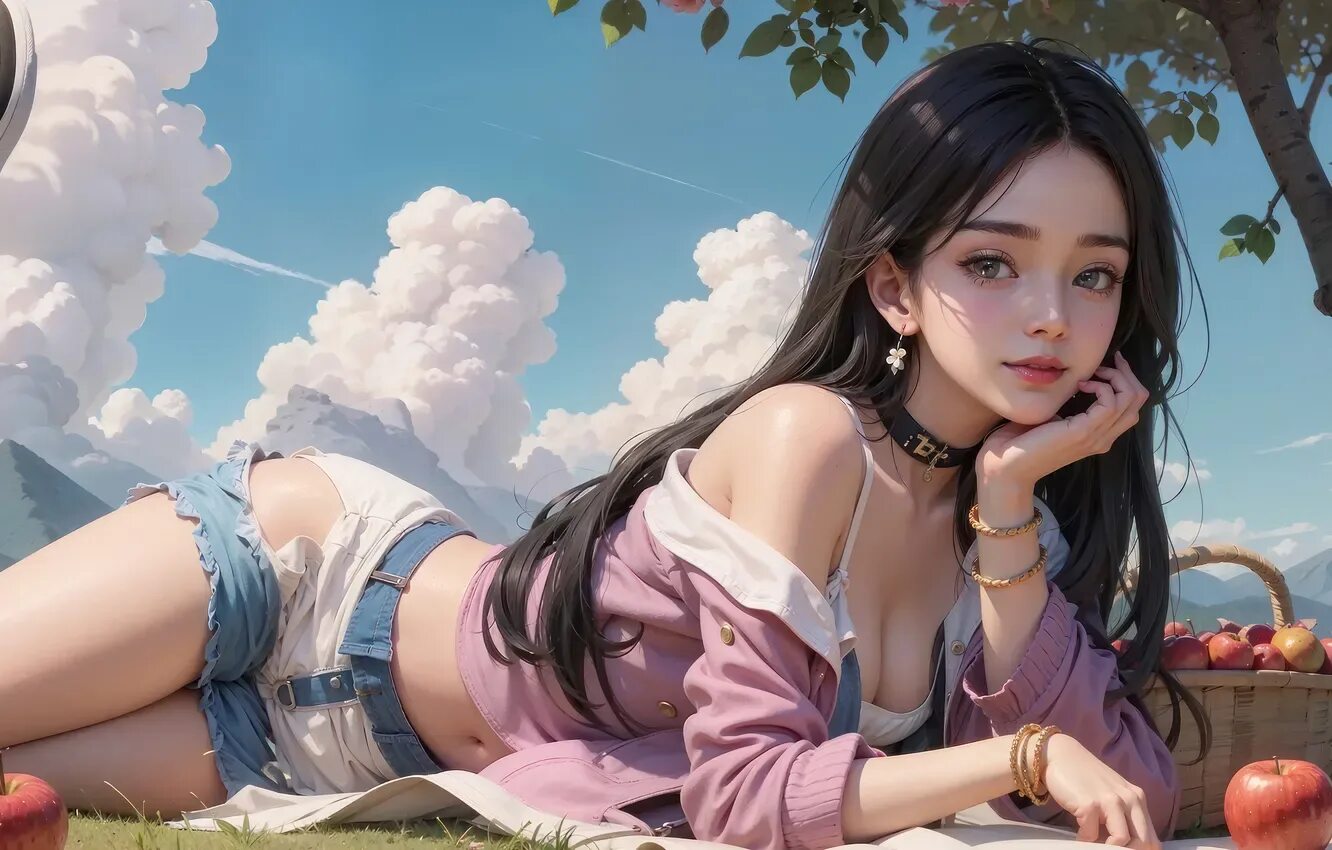
The digital landscape is constantly evolving, offering new tools for creativity and content generation. Among these innovations, AI-driven systems are making significant strides, and the ability to generate custom visuals has become more accessible than ever before. Exploring the capabilities of a modern porn image generator reveals a fascinating intersection of technology and user-driven content creation. These platforms leverage sophisticated algorithms to produce unique imagery based on user prompts and parameters.
Understanding the Porn Image Generator Technology
At its core, a porn image generator utilizes advanced artificial intelligence, often deep learning models like Generative Adversarial Networks (GANs) or diffusion models. These AI systems are trained on vast datasets of existing images, learning patterns, styles, and subject matter. When a user inputs descriptive text or selects specific parameters, the AI interprets these instructions to synthesize entirely new visual content. This process allows for unprecedented customization and the creation of specific scenarios or aesthetics that might be difficult or impossible to capture otherwise.
The technology behind these generators focuses on deconstructing and reconstructing visual elements. Algorithms analyze features such as lighting, composition, subject anatomy, and artistic style, then reassemble them according to the user’s specifications. The output quality and realism are continually improving, driven by ongoing research and development in the field of AI image synthesis.
Key Factors in AI Porn Generation
Several key factors influence the effectiveness and output of any porn image generator. Firstly, the quality and diversity of the training data are paramount; a model trained on a broader, more varied dataset will likely produce more nuanced and realistic results. Secondly, the sophistication of the AI algorithms themselves plays a crucial role, determining the model’s ability to understand complex prompts and generate coherent images. User interface design is also critical, ensuring that users can easily input their desired specifications.
- User Prompt Clarity: The more precise the user’s text description, the closer the output will be to their vision.
- Parameter Control: Options for aspect ratio, artistic style, and specific attribute sliders enhance customization.
- AI Model Architecture: The underlying AI, whether GAN-based or diffusion, dictates image coherence and detail.
- Post-processing Tools: In-built editing or refinement features can further enhance generated images.
The ethical considerations and safety filters implemented by the platform are also vital, determining the responsible use of such powerful generative tools. These factors collectively shape the user experience and the final visual product.
Customization and Control Features
Modern applications offer extensive control over generated content. Users can typically specify a wide range of attributes, including character appearance, clothing, setting, mood, and artistic style. Advanced generators might allow for negative prompts, helping to exclude unwanted elements from the final image. This granular control empowers users to fine-tune their creations to match specific artistic visions or storytelling needs.
| Feature | Description | Impact |
|---|---|---|
| Style Presets | Choose from various artistic styles (e.g., photorealistic, anime, oil painting). | Alters the visual aesthetic of the generated image. |
| Attribute Sliders | Adjust specific features like muscle definition, hair color, or lighting intensity. | Provides fine-grained control over character and scene details. |
| Prompt Weighting | Assign importance to specific words or phrases in the prompt. | Helps guide the AI towards desired elements and away from others. |
The ability to iterate and refine prompts based on initial outputs is also a key feature, allowing for a dynamic creative process. This iterative approach ensures that users can achieve highly specific and personalized results, pushing the boundaries of digital art generation.
The Evolution of Porn Image Generators
The technology has rapidly advanced from generating rudimentary, often distorted images to producing highly detailed and photorealistic visuals. Early AI image models struggled with anatomical consistency and naturalistic rendering. However, continuous advancements in neural network architectures and training methodologies have led to significant improvements in image quality, coherence, and the ability to adhere to complex user prompts.
This evolution signifies a broader trend in AI development, where generative models are becoming increasingly capable of complex creative tasks. As these tools mature, they are finding applications beyond adult content, influencing fields like graphic design, animation, and digital art, though ethical use remains a primary concern.
Ethical Considerations and Future Trends
The creation and use of AI-generated adult content raise significant ethical questions. Concerns range from the potential for misuse, such as the creation of non-consensual imagery, to the impact on the professional adult entertainment industry and the potential normalization of unrealistic or exploitative portrayals. Responsible development and deployment necessitate robust content moderation and safety features to prevent the generation of illegal or harmful material.
Looking ahead, expect further integration of advanced AI techniques, potentially leading to more interactive and dynamic content generation capabilities. The focus will likely remain on improving realism, user control, and, crucially, on developing more effective safeguards and ethical guidelines to govern the creation and dissemination of AI-generated visual media.